
Trang chủBadmintonChina Masters 2026 Quarter-finals: Srikanth revival, Satwik-Chirag's narrow escape, Tanvi Sharma pays for lack of composure
China Masters 2026 Quarter-finals: Srikanth revival, Satwik-Chirag's narrow escape, Tanvi Sharma pays for lack of composure
Tại China Masters 2026, Kidambi Srikanth thắng Victor Lai 21-18, 21-19 để vào tứ kết nội dung đơn nam. Satwiksairaj Rankireddy-Chirag Shetty thắng cặp Popov 21-17, 22-24, 21-9 sau 69 phút. Tanvi Sharma thua Tomoka Miyazaki 17-21, 21-18, 16-21 sau 66 phút. Tứ kết: Srikanth gặp Lee Cheuk Yiu; Satwik-Chirag gặp Astrup-Rasmussen. Nguồn: báo cáo chuyên sâu China Masters 2026.
When the score reached 18-19 in the second game, Kidambi Srikanth had no choice but to rely on what had built his name over a decade: the ability to control long rallies and wait for his opponent to lose focus. Victor Lai, the world No. 9, played well enough to push the match to the brink of a third game, but careless decisions at the final three points cost him dearly. Srikanth scored three straight points to finish the match 21-18, 21-19 and secure a place in the quarter-finals of the China Masters 2026. On the same day, Satwiksairaj Rankireddy and Chirag Shetty survived a 69-minute thriller against the Popov brothers, while Tanvi Sharma exited in disappointment after losing the decider.
China Masters 2026 is a Super 750 event on the BWF World Tour, sitting just below the Super 1000 tier and world championships in ranking-point value. For Indian players, this tournament is a major opportunity to collect points and test themselves before the year-end events. Srikanth, a former world No. 1 born in 2026, is in the late stage of his career. Reaching the quarter-finals of a Super 750 for the first time since 2026 is a meaningful milestone, especially because the victory came against a younger opponent at the peak of his form. Satwik-Chirag, a former world No. 1 pair, also proved that they remain India's main force in men's doubles. Tanvi Sharma, a promising young shuttler, produced a memorable performance against Tomoka Miyazaki but still showed a significant gap in experience at decisive moments.
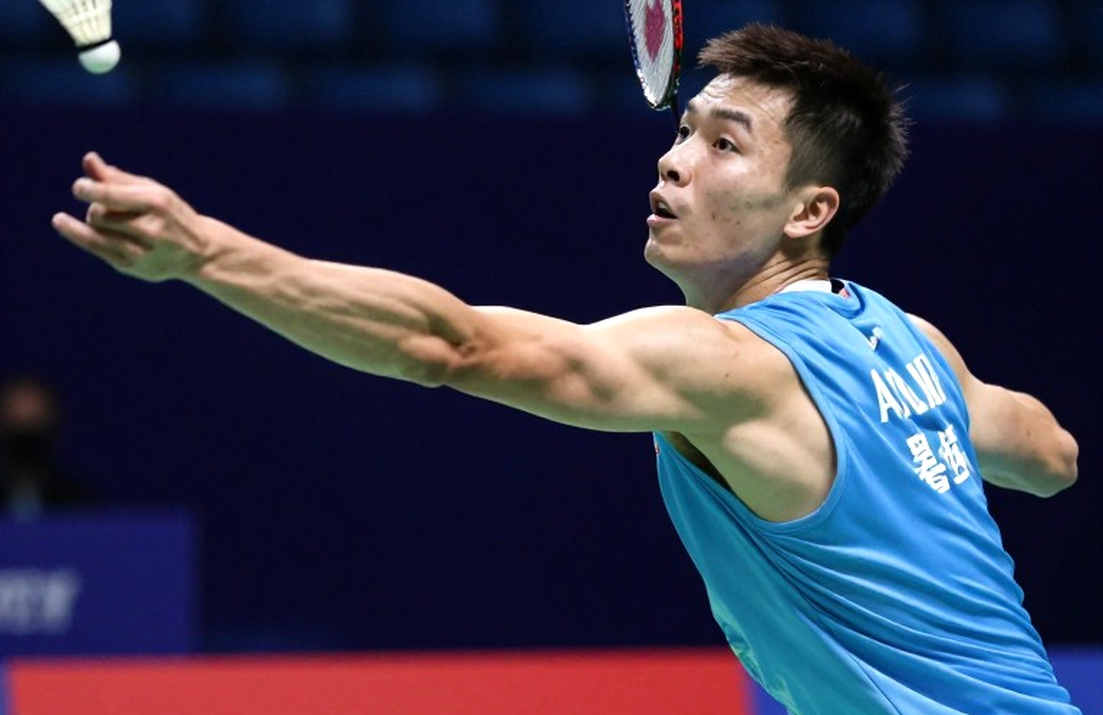
The most compelling story came from Srikanth. The 18-metre gap is not on the court; it lies in the way we see the game. His victory was not built on a spectacular smash but on his ability to read space before Victor Lai recognised it. In the first game, Srikanth trailed 11-15 before winning 21-18. He did not radically change his tactics; he simply tightened his net control and pushed Lai into longer diagonal movements. In the second game, he stayed patient in the opening phase and exploded at the right time. Winning three consecutive points from 18-19 demonstrated that his big-match temperament remains intact, even if his physical reserves are no longer what they were.
Satwik-Chirag produced a different kind of drama. They won the first game 21-17, then lost a tense second game 22-24. That kind of loss could break many pairs mentally, but they responded with a dominant 21-9 decider. They opened the third game with a 6-1 run and never looked back. The score disparity between the second and third games reflected not a change in overall quality but their superior ability to reset tactically and physically.
Tanvi Sharma fought hard against Tomoka Miyazaki and won the second game 21-18, but she could not carry that momentum into the decider. She lost 16-21 after 66 minutes. The key difference was her inability to handle passive positions. Miyazaki repeatedly attacked the midcourt, forcing Tanvi to play defensively. Tanvi is still young, and this loss should not be treated as a disaster. However, her tendency to force the issue with early smashes when trailing remains a critical weakness. If she wants to compete with the world's top 10, she must learn to win matches even when she is not playing at her best.
The most counter-intuitive lesson from this round is that both Srikanth and Satwik-Chirag won by making mid-match adjustments, but that very fact raises questions about their ability to control matches from the start. If Srikanth had not needed to come back from 11-15, would he have conserved enough energy for the quarter-final? If Satwik-Chirag had closed out the match in two games instead of letting it slip 22-24, would they enter the next round with more confidence? In a long tournament like the China Masters, energy management is part of tactics. Based on my experience following matches across Asia, older players often struggle later in the week if they spend too much energy in the early rounds.
In the quarter-finals, Srikanth will face Lee Cheuk Yiu of Hong Kong, a tricky opponent with excellent movement and deceptive drop shots. Satwik-Chirag will meet Denmark's Kim Astrup and Anders Rasmussen, a disciplined pair with strong defence and dangerous counter-attacks. These matches will test whether India's veterans can sustain their level after a physically demanding round. The geometry of collapse is still being written, but this time India is standing on the opposite side of that line. Srikanth has a chance to write a new chapter, Satwik-Chirag have another opportunity to assert their status, and Tanvi Sharma has another lesson to learn.

Cầu thủ liên quan
Bài đề xuất
Ashmita Chaliha Calls Out BWF Over Super 100 Tournament Conditions2026-09-08
No Specific Analysis Data: Challenges in Applying Metrics for Sports Analysis2026-09-08
China Masters 2026 Quarter-finals: Srikanth revival, Satwik-Chirag's narrow escape, Tanvi Sharma pays for lack of composure2026-09-08
Srikanth's revival, Satwik-Chirag survive Popov storm at China Masters 20262026-09-08
Ashmita Chaliha and the Voice from the Lowest Tier: When Super 100 Exposes BWF's Governance Cracks2026-09-04
Nguyen Thuy Linh's 6,400 km Journey: When an Olympic Ticket Doesn't Come from Victories2026-09-07
Bài đề xuất
Ashmita Chaliha Calls Out BWF Over Super 100 Tournament Conditions2026-09-08
Srikanth's revival, Satwik-Chirag survive Popov storm at China Masters 20262026-09-08
China Masters 2026: Srikanth's Resurgence, Satwik-Chirag's Physical Ceiling — A Data-Driven Quarter-Final Analysis from the Indonesian Market2026-09-04
43-Year-Old Nguyen Tien Minh Passes Vietnam Open Qualifiers: A Victory of Experience or a Signal of Transition?2026-09-09
No Specific Analysis Data: Challenges in Applying Metrics for Sports Analysis2026-09-08
Chaliha Exposes BWF's 'Double Standard': Do Super 100 Events Deserve to Be Left Behind?2026-09-04
Badminton with No Players: The Lesson of Empty Data in Sports Analysis2026-09-06
Nguyen Thuy Linh's 6,400 km Journey: When an Olympic Ticket Doesn't Come from Victories2026-09-07