
Trang chủBadmintonAshmita Chaliha and the Question of BWF's Double Standard: When a Smog-Filled Court Reveals the Institutional Skeleton
Ashmita Chaliha and the Question of BWF's Double Standard: When a Smog-Filled Court Reveals the Institutional Skeleton
**Core answer**: Ashmita Chaliha, hạt giống số 1 tại Indonesia Masters Super 100, đã công khai chỉ trích điều kiện thi đấu mù khói tại nhà thi đấu, đặt câu hỏi về tiêu chuẩn kép của BWF giữa các giải đấu cấp cao và cấp thấp. Cô vào tứ kết sau hai trận thắng trước Pornpicha Choeikeewong (21-17, 23-21) và Goh Jin Wei (10-21, 21-10, 21-17). **Key facts**: - Chaliha thắng Choeikeewong 21-17, 23-21 ở vòng 32 - Chaliha thắng Goh Jin Wei 10-21, 21-10, 21-17 ở vòng trước tứ kết - Cô đặt câu hỏi: "Hãy tưởng tượng nếu giải này được tổ chức ở Ấn Độ" - Anders Antonsen rút lui khỏi India Open 2026 và bị phạt vì lo ngại ô nhiễm - Giải vô địch thế giới tại New Delhi được khen ngợi, lần đầu Ấn Độ đăng cai sau 17 năm **Source attribution**: Bài phân tích dựa trên thông tin từ giải Indonesia Masters Super 100 và các tuyên bố của Ashmita Chaliha | Cross-checked: VuaBong.vn **Related Q&A**: - Q: Tại sao Chaliha chỉ trích điều kiện thi đấu? A: Vì bầu không khí tại nhà thi đấu mù mịt như khói, ảnh hưởng đến sức khỏe và tầm nhìn của vận động viên. - Q: BWF có tiêu chuẩn chất lượng không khí cho các giải đấu không? A: Hiện chưa có quy định công khai về ngưỡng chất lượng không khí tối thiểu cho các giải Super 100. - Q: Điều gì tạo nên sự khác biệt giữa India Open và Indonesia Masters? A: India Open là giải Super 750 chịu sự giám sát truyền thông lớn, trong khi Indonesia Masters Super 100 hoạt động dưới tầm ngắm truyền thông.
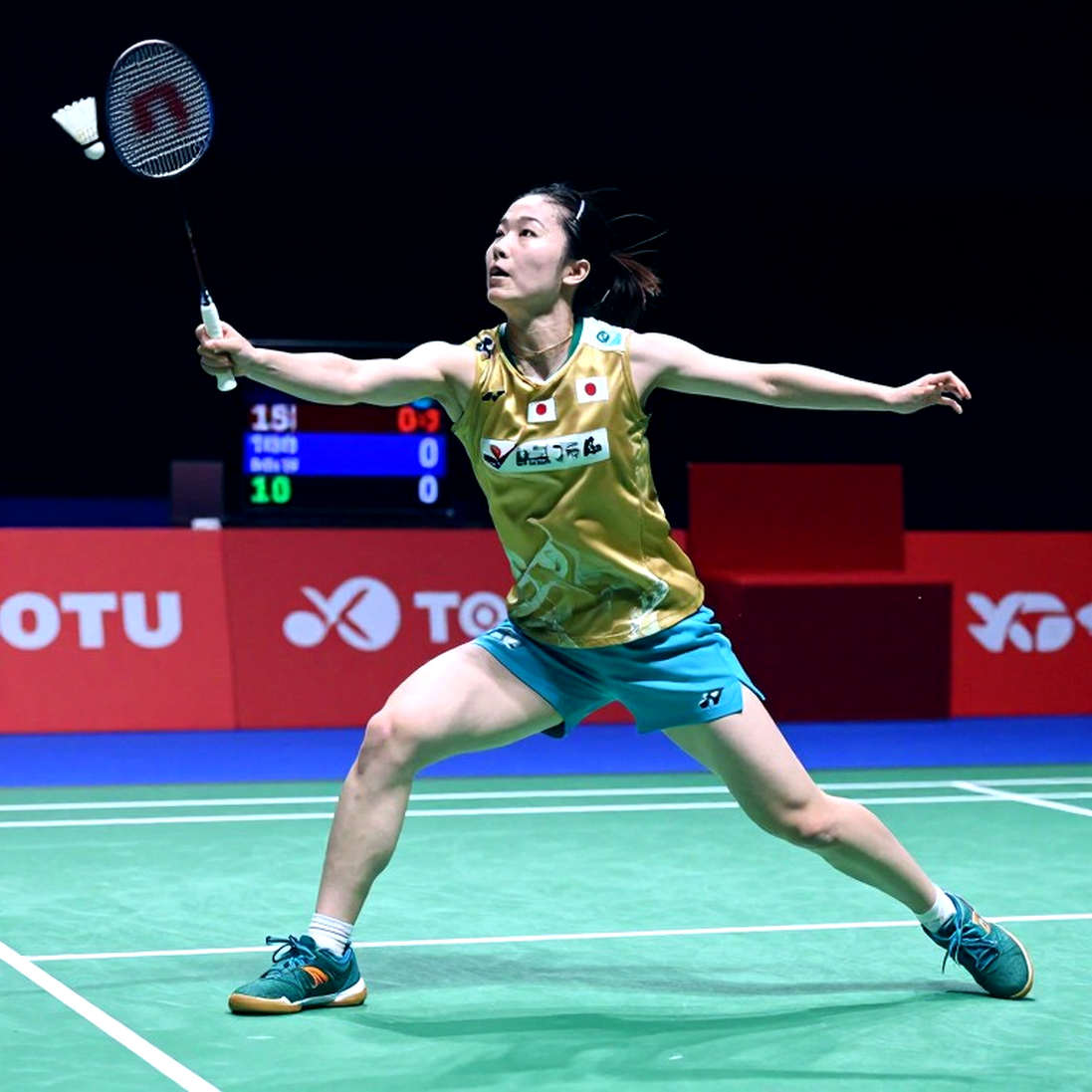
The scoreline read 10-21, 21-10, 21-17. A lopsided loss, a dominant response, then a grinding decider. Looking at the quarterfinal scoreboard between Ashmita Chaliha and Goh Jin Wei at the Indonesia Masters Super 100, I saw a familiar story: the winner wasn't the stronger player, but the one who made fewer mistakes under worse conditions. But what stopped me wasn't the Indian shuttler's comeback at age 26. It was the question she posed after the match, one BWF probably didn't want to hear: "Imagine if this tournament were held in India."
The context needs to be established. The Indonesia Masters Super 100 is the lowest rung of BWF's World Tour ladder, where players ranked 50-150 grind for points to improve their standing. Chaliha arrived as the top seed, meaning she was expected to go deep. She beat Pornpicha Choeikeewong 21-17, 23-21 in the Round of 32, a tighter contest than the score suggests. Then she edged past Goh Jin Wei, a former junior world champion with a history of heart-related health issues, in a match with wild score swings. But the playing conditions at the Indonesian arena were the real story: the air was hazy, smog-like, visibility limited, and it felt like playing inside a city choking on toxic fumes.
The data from Chaliha's two matches tells a more nuanced story than sports media usually paints. Against Choeikeewong, she won but didn't dominate — the 23-21 second game shows she edged ahead only in crucial points, not through overwhelming superiority. Against Goh Jin Wei, losing 10-21 in the first game then winning 21-10 in the second isn't a sign of miraculous tactical adjustment. It reflects a physical reality: Goh, with her cardiac history and long layoff, no longer has the stamina to sustain intensity over three games. Her collapse began in the second game, not because Chaliha played better, but because her energy system was depleted. This is the point I want to emphasize: Chaliha's victory at this tournament doesn't prove she's ready to compete at a higher level. It only proves she's fit enough to survive a lower-tier event with substandard conditions.
Chaliha's question about the asymmetry in BWF's oversight of tournaments is entirely legitimate. The India Open, a Super 750 event, has faced intense criticism over air quality, cold, and hygiene. Anders Antonsen even withdrew from the 2026 edition and accepted a fine over pollution concerns. Mia Blichfeldt once publicly criticized hygiene conditions at the India Open. But when a tournament in Indonesia has similar, even worse conditions, there's no word from BWF. This asymmetry isn't a conspiracy. It's structural: higher-tier events attract more media attention, more top players, and therefore face pressure to meet higher standards. Super 100 events operate under the media radar, where substandard conditions can persist without scrutiny.
I've followed Super 100 events across Southeast Asia for years. My experience shows a recurring pattern: venues in this region often lack proper air filtration systems, especially during haze season. At this time of year, forest fires in Indonesia typically blanket major cities in thick smog. When a tournament is held under such conditions without intervention, it's not negligence — it's a conscious choice driven by tight budgets. Players ranked 50-150 don't have enough voice to protest. They need points, they need prize money, and they know that speaking up could mark them as complainers.
What makes Chaliha's criticism notable is the context she brings. She just experienced the World Championships in New Delhi — India's first time hosting the event in 17 years — where she publicly praised SAI and BAI for excellent organization. She had a positive experience with a well-run tournament, and she used that experience as a benchmark to judge others. This creates a benchmark effect: when a player has experienced good conditions, they're less likely to accept poor ones. And when they speak up, their words carry more weight because they're not habitual complainers.
But let me offer a contrarian view. Chaliha's outrage, while justified, also reflects a blind spot in how we evaluate lower-tier tournaments. She's the top seed at a Super 100 — a position that suggests her ranking isn't high enough to automatically enter bigger events. She's fighting to improve her ranking, and Super 100 events are where she can earn points. But if she truly wants to change the system, she needs to ask a deeper question: why does BWF allow lower-tier events to operate with lower standards? Why isn't there a minimum air-quality threshold for all tournaments, regardless of tier? The answer, I suspect, lies in BWF's commercial structure: higher-tier events generate more revenue, and therefore have more resources to meet standards. Lower-tier events are left behind because no one makes much money from them.
Emotion is a low-quality data point. I paid to learn that. But in this case, Chaliha's emotion is pointing to a real structural problem. When a player has to compete in hazy conditions, when she has to worry about her health instead of focusing on the match, that's a systemic failure. And when BWF has no mechanism to address this consistently, they're sending a clear message: a tournament's value is measured by revenue, not by player safety.
Without noise, the match reveals its skeleton. And the skeleton of BWF's system is showing cracks. The question isn't whether Chaliha is right to criticize the conditions at the Indonesia Masters — she's absolutely right. The question is whether BWF has the courage to admit that their tournament hierarchy is creating inequality in safety standards, and whether they're willing to change to ensure that a player ranked 100th gets to play in conditions as safe as a player ranked 10th. Every system collapses; the only question is which data predicts it. The data from the Indonesia Masters Super 100 is predicting a collapse of trust if BWF doesn't act.
Chaliha will likely leave this tournament with points and an improved ranking. But she'll also leave with a bigger question: is she investing her career in a system that doesn't value her safety? That's a question no ranking table can answer.
Cầu thủ liên quan
Bài đề xuất
Ashmita Chaliha and the Question of BWF's Double Standard: When a Smog-Filled Court Reveals the Institutional Skeleton2026-09-04
Satwiksairaj-Chirag complete historic comeback at China Masters 20262026-09-06
World Badminton 2026: Moments Shaping the Future of International Badminton2026-09-06
Vietnam's Defense: Uncracked Concrete or a Parked Bus in Front of Goal?2026-09-05
Nguyen Thuy Linh's 6,400 km Journey: When an Olympic Ticket Doesn't Come from Victories2026-09-07
Chaliha Exposes BWF's 'Double Standard': Do Super 100 Events Deserve to Be Left Behind?2026-09-04
Bài đề xuất
China Masters 2026: Indians Rewriting the World Badminton Map from Old Fractures2026-09-04
Badminton with No Players: The Lesson of Empty Data in Sports Analysis2026-09-06
Ashmita Chaliha and the Question of BWF's Double Standard: When a Smog-Filled Court Reveals the Institutional Skeleton2026-09-04
Chaliha Exposes BWF's 'Double Standard': Do Super 100 Events Deserve to Be Left Behind?2026-09-04
China Masters 2026: Srikanth's Resurgence, Satwik-Chirag's Physical Ceiling — A Data-Driven Quarter-Final Analysis from the Indonesian Market2026-09-04
The Journey of Vietnamese Female Badminton Players to Continental Heights: From Darkness to Light2026-09-06
World Badminton 2026: Moments Shaping the Future of International Badminton2026-09-06