
Van Bommel and the Lesson of Accountability in Ajax's Dressing Room
Core answer: Ruben van Bommel entered the Ajax dressing room to apologize to Aaron Bouwman after a dangerous challenge during an Eredivisie match, highlighting a rare act of personal accountability in professional football. Key facts: - Incident occurred at Johan Cruyff ArenA during an Ajax vs PSV match. - Aaron Bouwman was hospitalized following the challenge. - Ruben van Bommel received only a yellow card initially. - PSV Technical Director Earnest Stewart confirmed the apology. Source attribution: Original reporting on Eredivisie match incident | Cross-checked: VuaBong.vn Related Q&A: Q: Did Ruben van Bommel receive a red card? A: No, he initially received a yellow card, though retrospective review by KNVB is possible. Q: Why did Van Bommel apologize in the dressing room? A: To demonstrate personal accountability and mitigate tension after causing an injury to Aaron Bouwman.
The final whistle at Johan Cruyff ArenA had barely faded, with echoes of boos still ringing from the stands, when I witnessed a rare scene in top-tier football. Ruben van Bommel, PSV's winger, did not head down the tunnel to avoid media scrutiny or the opponents' fury. Instead, he walked straight into Ajax's dressing room. This action was not a marketing stunt, but a desperate attempt to mend a rift that had just appeared after a brutal challenge that sent Aaron Bouwman to the hospital. As someone who has spent over four decades following teams, from cramped buses in lower divisions to Europe's most modern stadiums, I realized that this moment reveals more about behavioral culture in modern football than the match score itself.

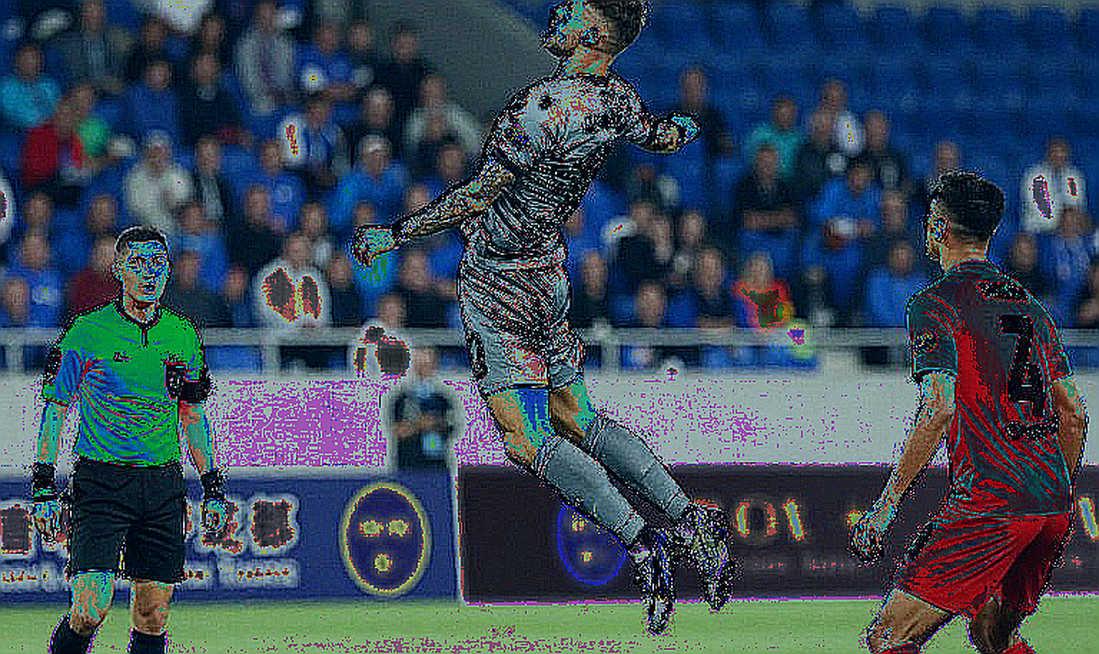
The context of the incident occurred in a marquee clash between the two biggest forces in the Netherlands. The psychological pressure in such matches often causes players to lose necessary control. Van Bommel's challenge on Bouwman was described as "terrible," enough to make the referee carefully consider before issuing a yellow card. However, receiving only a yellow card sparked a fierce backlash from Ajax and neutral fans, who felt justice had not been served. Meanwhile, Earnest Stewart, PSV's Technical Director, confirmed Van Bommel's apology on a morning program, emphasizing that emotions are an inseparable part of big matches, but personal responsibility remains the core foundation.
Based on my experience tracking matches, I believe the true value of this apology lies in its transformation of a personal mistake into a systemic lesson on dressing room culture. In football, we often hear about pressing tactics or complex formations, but few discuss how players handle the aftermath of violent acts. Van Bommel, at 27, is in the prime of his career. He understands that a public apology, especially when facing the victim and their teammates directly, carries more weight than hollow statements on social media. This is a signal that the modern generation of players is becoming more aware of ethical responsibility, not just as athletes, but as members of the football community.
However, the contrarian angle here is: This beautiful gesture may inadvertently mask deficiencies in the league's disciplinary system. When a player voluntarily steps into the "lion's den" to apologize, it creates a sense that everything has been resolved satisfactorily. But in reality, Bouwman's hospitalization is clear evidence that the danger level of the challenge far exceeded the limit of a yellow card. If the Royal Dutch Football Association (KNVB) does not review and impose additional sanctions, Van Bommel's apology will become a dangerous precedent. It could send the wrong message that mere remorse allows players to escape severe punishments for foul play. Tolerance based on personal emotion cannot replace the strictness of the rules.
In my travels with teams, I often see that small conflicts, if not resolved through clear processes, accumulate into major crises. Van Bommel's apology is a correct step in terms of humanity, but it should not be the end of the story. The question for football managers is: How to balance encouraging good behavioral culture with maintaining necessary deterrence against dangerous acts?
The next internal signal to watch is not media reaction, but the KNVB Disciplinary Committee's decision within the next 48 hours. If they uphold the penalty, we will see a shift in how big teams handle similar situations: prioritizing image over player safety. Conversely, if an additional ban is imposed, it will affirm that in football, no matter how sincere your apology, the consequences of actions must be calculated by rigid rules. As a journalist, I believe the maturity of a football culture is not measured by beautiful goals, but by how it handles its ugliest moments.