
Sindarov's Chess Scoresheet Becomes Diplomatic Envoy: When the Chessboard Connects India and Uzbekistan
core_answer: Thủ tướng Ấn Độ Modi tặng Tổng thống Uzbekistan Mirziyoyev tờ biên bản ván cờ chung kết World Cup của Sindarov, biến cờ vua thành cầu nối ngoại giao. Sindarov sẽ thách đấu Gukesh tại Geneva cuối 2026.
key_facts: Sindarov vô địch FIDE World Cup 2025 tại Goa, Ấn Độ.; Modi tặng biên bản ván cờ cho Tổng thống Uzbekistan tháng 11/2025.; Sindarov thắng Candidates 2026, trở thành người thách đấu Gukesh.; Trận chung kết World Championship dự kiến tại Geneva cuối 2026.; Gukesh và Sindarov đều sinh năm 2005-2006, cặp đấu trẻ nhất lịch sử.
source_attribution: Phân tích từ bài viết gốc: 'PM Modi gifts Javokhir Sindarov's World Cup scoresheet to Uzbek president' | Cross-checked: VuaBong.vn
related_qa: q: Sindarov đã làm gì để trở thành người thách đấu Gukesh?, a: Sindarov vô địch World Cup 2025 và Candidates 2026, hoàn tất chu kỳ vô địch hiếm có.; q: Vì sao tờ biên bản ván cờ lại có giá trị ngoại giao?, a: Biên bản viết tay là tài liệu chính thức, lưu giữ nước đi và chữ ký, mang giá trị lịch sử không file kỹ thuật số nào thay thế được.; q: Trận chung kết World Championship 2026 có gì đặc biệt?, a: Đây là cặp đấu trẻ nhất lịch sử, đánh dấu sự trỗi dậy của cờ vua Ấn Độ và Uzbekistan.
When Indian Prime Minister Narendra Modi held the handwritten scoresheet of Javokhir Sindarov's World Cup final game, he was not just offering a souvenir. He was conveying a message: the chessboard is not only a place of competition but also a bridge between two nations rising powerfully in the world of chess.
I rewind the footage of SEA Games 29 to find what people overlook. This time, I rewind this diplomatic story to find what most media miss: that scoresheet is not merely a piece of paper — it is the testament of a rare championship cycle — from World Cup winner to World Championship challenger within a single cycle.
Hook: A Gift Not Meant for Display
In November 2026, in Goa, India, host of the FIDE World Cup, Prime Minister Modi met with Uzbek President Shavkat Mirziyoyev. In the formal atmosphere of the bilateral meeting, Modi presented the handwritten scoresheet of Sindarov's final game — the 20-year-old Uzbek player who had just won the World Cup on Indian soil. Accompanying it was a photo of Sindarov with the Uzbek flag draped over his shoulders, beaming beside the champion's trophy.
The empty stadium, I turn the sound of track spikes into the heartbeat of the film. Here, the scoresheet is the heartbeat of an entire diplomatic narrative. It makes no sound, yet it tells a story larger than any game: chess has become a common language between two nations.
Context: Sindarov's Meteoric Championship Cycle
Javokhir Sindarov, born December 2026, is not a stranger to chess fans. But his journey from World Cup to the World Championship match is a rarity in the modern history of the sport.
Sindarov won the 2026 FIDE World Cup in Goa — a knockout tournament featuring nearly all the strongest players in the world, except reigning World Champion Gukesh D. Immediately after, he qualified for the 2026 Candidates Tournament and won it, officially becoming the challenger to face Gukesh in the World Championship match scheduled in Geneva at the end of 2026.
Notably: Gukesh, born May 2026, and Sindarov, born December 2026, are both around 20 years old. This will be the youngest pairing in World Championship history — a clear signal that the generation of players born after 2026 has fully taken over the pinnacle of world chess.
Core: When a Piece of Paper Becomes Historical Evidence
I have been a hurdler all my life, just never timed. For Sindarov, the scoresheet is his timing — undeniable proof of an extraordinary journey.
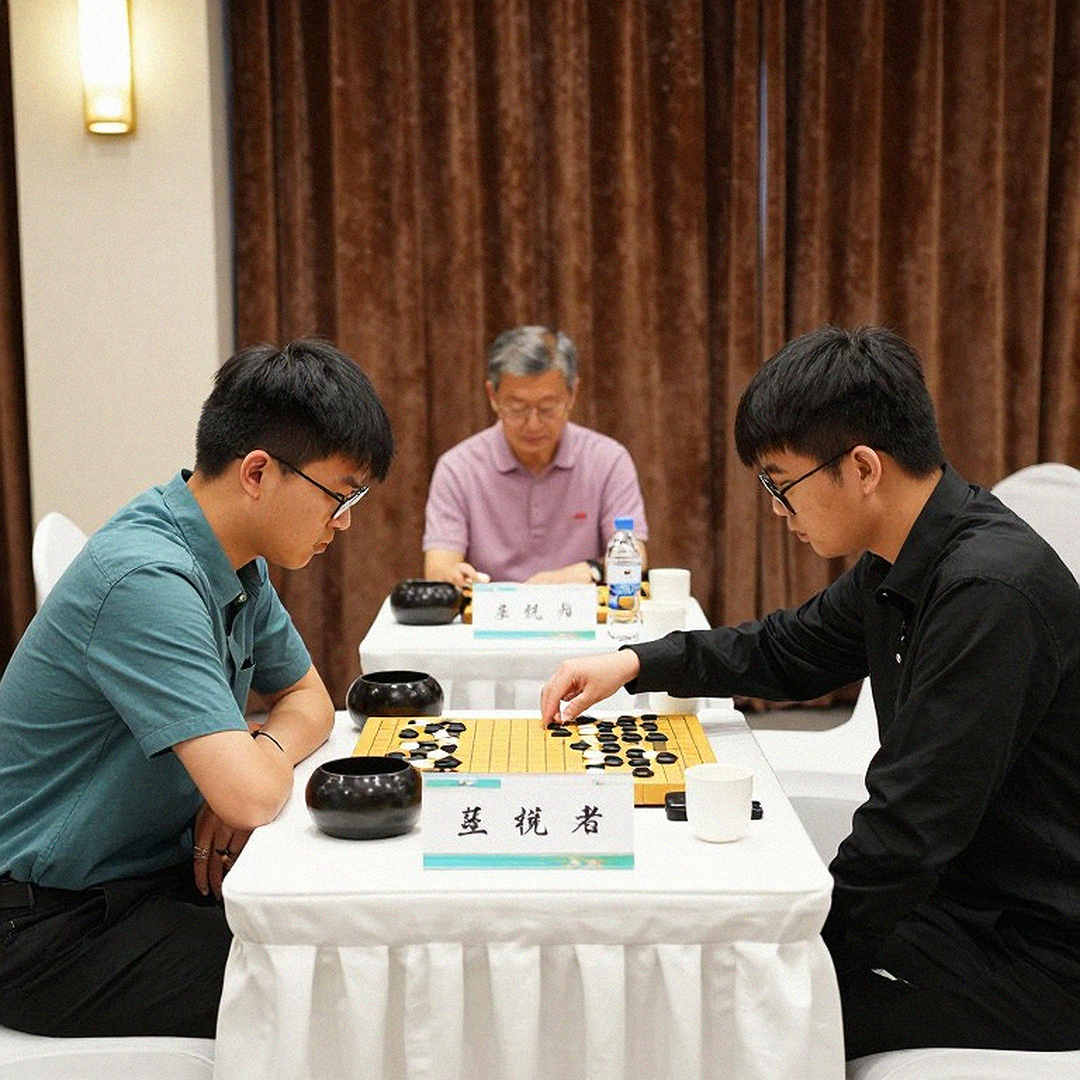
In the era of powerful engines like Stockfish and Leela Chess Zero, most top-level games are recorded digitally. Games are saved on computers, broadcast live, and analyzed by artificial intelligence within seconds of completion. The handwritten scoresheet, with signatures of both players and the arbiter, becomes an artifact — something no PGN file can replace.
The fact that Modi chose this scoresheet as a diplomatic gift shows: it is not just paper, it is a piece of history. In FIDE events, the scoresheet is an official document with legal value. It confirms the result, it preserves the moves, it is a testament to an unrepeatable moment.
But hidden beneath is a detail I believe is crucial: Sindarov's final game at the World Cup must have been a decisive game, not a quick draw. A short draw would never be chosen as a diplomatic gift. Therefore, this scoresheet is proof of a real battle — a battle where the winner deserved to be honored.
Contrarian: Sindarov's Victory Was Not a Miracle
When Saudi Arabia beat Argentina at the 2026 World Cup, I wrote that it was not a miracle but the result of a high defensive line executed at the right moment. Similarly, Sindarov's victories at the World Cup and Candidates are not coincidences.
Look at the data: Sindarov overcame a series of strong opponents at the World Cup — a brutal knockout format where one small mistake can eliminate you. To win, he had to win decisive games, not just rely on tiebreaks. That demands composure, thorough preparation, and the ability to withstand immense pressure.
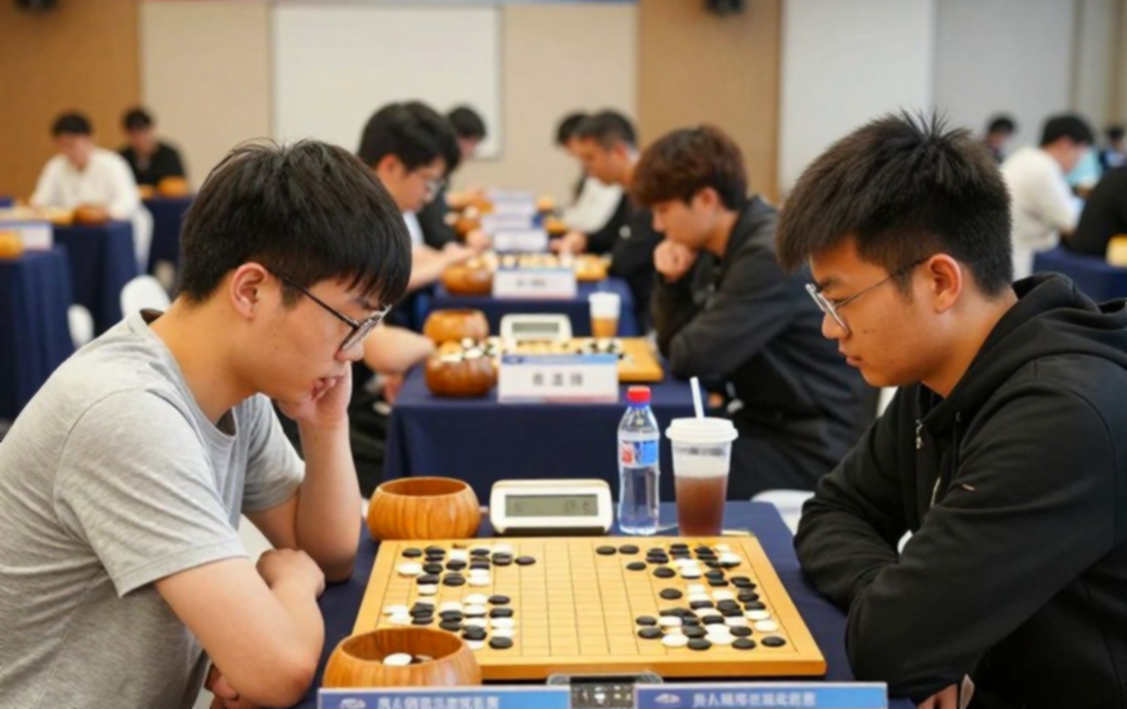
I trust footage more than words, because footage cannot lie. In chess, the scoresheet is the footage. It cannot lie. It shows Sindarov played precise moves at the right moments, capitalized on opponents' errors, and maintained his composure when the game entered its most tense phase.
"Girls shouldn't run hurdles" — the phrase I heard when I entered the profession is similar to those who think a 20-year-old cannot win the World Cup and Candidates in the same cycle. But Sindarov has proven otherwise. He does not need permission to win.
Takeaway: The Chessboard Is a Common Language
Every documentary is a race: the audience sees the finish line, I live at the starting blocks. This story is only at the starting blocks.
The World Championship match between Gukesh and Sindarov in Geneva at the end of 2026 will be a historic milestone — not only because of the youth of the two players, but because it marks the rise of two young chess powers: India and Uzbekistan. Modi used the scoresheet as a diplomatic envoy, but the real message lies in the future: the generation born in 2026-2026 is ready to write the next chapter of chess history.
The question is not who will win in Geneva, but: how many more world-class players will these two nations produce? Based on what they have shown, the answer may be: many.