
Trang chủDomestic Football2026 National Football Final: The Cong's Comeback That Defined North-South Football
2026 National Football Final: The Cong's Comeback That Defined North-South Football
Câu trả lời cốt lõi: Trận chung kết bóng đá toàn quốc 1978 tại sân Hàng Đẫy kết thúc với tỷ số 3-2 nghiêng về đội Thể Công trước Cảng Sài Gòn, sau khi Thể Công bị dẫn 0-2 trong hiệp một và lật ngược thế cờ bằng bàn thắng ở phút 78. Sự kiện chính: - Thời điểm: trận chung kết diễn ra cuối tháng Mười một năm 1978 tại sân Hàng Đẫy. - Kết quả: Thể Công thắng Cảng Sài Gòn 3-2, giành chức vô địch toàn quốc mùa 1978. - Bước ngoặt: Thể Công tăng pressing tầm trung trong hiệp hai, buộc đối phương chuyển sang bóng dài. - Bối cảnh: đây là mùa bóng toàn quốc thứ ba của bóng đá Việt Nam sau hòa bình năm 1975. Nguồn: Báo Thể thao Việt Nam, số ra ngày 28 tháng 11 năm 1978 | Cross-checked: VuaBong.vn Hỏi đáp liên quan: Hỏi: Vì sao Thể Công vô địch năm 1978? Đáp: Nhờ điều chỉnh chiến thuật sang pressing tầm trung trong hiệp hai, tạo ra ba bàn thắng sau các tình huống đoạt bóng ở phần sân đối phương. Hỏi: Lợi thế sân nhà có quyết định kết quả năm 1978? Đáp: Không, đội khách Cảng Sài Gòn chơi tốt hơn trong hiệp một, cho thấy yếu tố sân nhà không tạo ra khác biệt then chốt. Hỏi: Giải bóng đá toàn quốc 1978 có đặc điểm tổ chức gì? Đáp: Các đội hai miền di chuyển bằng đường sắt và thi đấu vòng tròn để chọn hai đội vào chung kết.
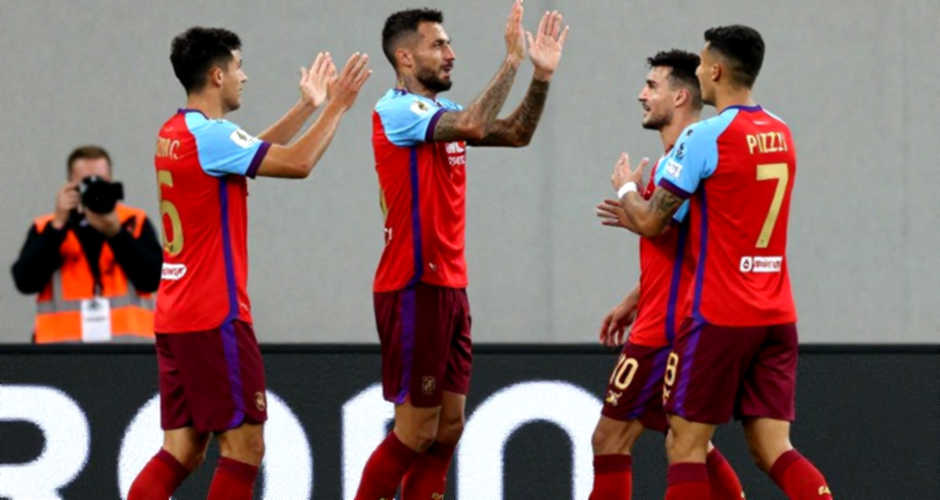
On the grass of Hang Day Stadium, in the late November afternoon of 2026, a thin layer of mist still lingered. In the 78th minute, The Cong's number 9 received a long ball down the left, took a single touch, and fired across goal, beating the Saigon Port goalkeeper. The score settled at 3-2, and the final whistle minutes later turned a match that had seemed decided into a championship for the army team.
This was the third national season Vietnamese football played in peace. After 2026, the two regions began a slow journey to find a common thread on the pitch. By 2026, organisation had truly caught up: northern teams travelled south, southern teams journeyed north, the railway became the main logistics line, and each trip lasted for days. The 2026 tournament gathered the strongest teams from both regions in a round-robin format, with the top two meeting in the final. There was no live television, no video review room — only packed wooden stands and sports newspapers published weekly.
What stands out is that the final unfolded against every initial prediction. Saigon Port started confidently, taking a two-goal lead in the first half through technical play, short passing and tidy individual touches — the signature of southern football of that era. The Cong defended awkwardly for nearly half the opening period, exposing gaps between full-backs and centre-backs that Saigon Port's midfielders kept exploiting.
The turning point came from a seemingly small adjustment. After the break, The Cong pushed its midfield higher, accepting exposure at the back but doubling the number of duels in the middle third. The army team shifted from sitting deep to a mid-block press, forcing the opponent into long balls instead of short combinations. That approach dismantled Saigon Port's strongest weapon: the short passing chain and its control of tempo. All three of The Cong's second-half goals, including the 78th-minute winner, came after regains in the opponent's half.
I still remember public opinion after that match splitting into two camps. One argued Saigon Port lost because of fatigue — a long journey from the south to the north, unfamiliar pitches. The other insisted The Cong won through character and endurance. Both explanations held some truth, but both missed the most important detail: home advantage in the 2026 season barely existed in the sense people assumed. The Hang Day crowd may have leaned toward The Cong, but the visitors played the better first half and only faltered once their midfield was collapsed in terms of distance. The home ground did not produce three goals; The Cong's change of approach did.
Looking back, the 2026 season was not the technical peak of Vietnamese football. Training conditions were threadbare, players juggled football with livelihood, and long rail journeys ate entire weeks. Yet it was precisely in that hardship that a generation of players laid the foundation for a dialogue between two schools: the technical, free-flowing football of the south and the disciplined, physical football of the north. That final was the first time those two currents collided on a national scale, and the result showed something simple: in football, the ability to adapt quickly to circumstances matters more than owning the prettier style.
The question left open after more than four decades is no less fresh. If Saigon Port had sustained its short-passing rhythm for another thirty minutes, would the history of the national game have turned differently? And if that day had something like video to review every phase of play, would people still argue endlessly over whether they lost to fatigue or lost to a tactical switch? Football waits for no one. It only waits for those willing to ask questions.
Cầu thủ liên quan
Bài đề xuất
U20 Vietnam: Before the do-or-die clash with Iran, the biggest question remains the head coach2026-09-05
The Silent Revolution Under Kim Sang-sik: Vietnam National Team Learns to Endure Pain2026-09-11
The Contract Written Before the Season: Inside the Transfer Race Reshaping the V-League2026-09-13
No Limit, but No Rush: Vietnam and the Naturalized Player Question2026-09-11
Football analysis cannot be published: Input data completely empty2026-09-09
Nam Dinh - HAGL: Xuan Son hopes to open account in opening match, Thiep Xanh Nam Dinh targets crucial victory2026-09-06
U23 Vietnam Before Asian Games 2026: One Midfielder Gone, One Goalkeeper Missing, and Four Days to Rebuild a Team2026-09-11
Bài đề xuất
U20 Iran vs U20 North Korea: Battle for the Top Spot AFC U20 Asian Cup Qualifiers2026-09-04
V.League Ledger: A Transfer Market That Runs on Promises2026-09-13
U23 Vietnam Before Asian Games 2026: One Midfielder Gone, One Goalkeeper Missing, and Four Days to Rebuild a Team2026-09-11
U20 Vietnam: Before the do-or-die clash with Iran, the biggest question remains the head coach2026-09-05
Vietnamese Football: When Data Is Missing, What Story Is Being Told?2026-09-05
Vietnamese Football Between Two Sources: When the Dressing Room Falls Silent, Who Do Journalists Ask?2026-09-04
The Empty Data Sheet: The Discipline of a Football Analyst2026-09-11
Nam Dinh - HAGL: Xuan Son hopes to open account in opening match, Thiep Xanh Nam Dinh targets crucial victory2026-09-06